10 Places Where You Can Find Chiminea Fire Pit
Clay Chiminea Fire Pit Clay chimineas can be an ignition risk unless placed on the stand made of metal (hopefully included) that came with them. They can also heat up extremely high and burn small hands if children are too close. Large chimineas are hefty and difficult to move. They are also susceptible to cracking and break if dropped or tipped over. Rustic Design Chiminea firepits add a rustic element to your backyard and creates a cozy environment for outdoor conversation. They have a broad base that tapers into a chimney, and come in a variety styles to match your patio or garden design. Although they're heavier than fire pit designs the chiminea is very easy to move around your yard and fits well in smaller spaces. Chimineas can be found in a vast variety of materials, including clay, terracotta, and cast iron, for a Mexican-style appearance. They can be painted to provide a decorative accent, and they often have handcrafted detailing. Clay and terracotta are less durable than chimineas made of metal and can crack or even break when exposed to high temperatures and rough handling. They do not heat up in the same speed as metal ones and are better for households with children or pets. Due to their design, chimineas are safer than fire pits since they are confined. Chimneys direct smoke upwards to reduce the amount of smoke you or your neighbors experience. As a result, they are a great option for homeowners who live in areas that have restrictions on open-flame fires, or who want to stay clear of the smell of smoke from a more open flame. Chimineas are ideal for wood burning, but can also be used with gas or liquid propane. Some models are also designed for cooking. It is best not to use a chiminea in windy conditions, as powerful winds can blow embers or smoke into the air. It is recommended to build a chiminea inside an area that is safe from fire, such as a patio hearth which is a 3-by-4-foot space covered with pavers or other fireproof materials. You should only make use of firewood that has been kiln dried and stacked uniformly in the process of making a Chiminea. Avoid large logs and branches, as they can easily break or split when handled. It is also recommended to keep a distance of 10 feet or more from any structure such as your home or shed. It is crucial to not lift your chiminea using its chimney or stack, as this could cause it to break. When not in use it is a good idea to cover your chiminea using an open fire pit. Versatility A chiminea fire pit is more adaptable than a metal one, as it can be used with various fuels. It can be filled with propane gas or wood. It is possible to use it with different kinds of brquettes. However it is best to use dried firewood that has been kiln-baked that is easy to ignite and burns quickly. This can reduce the amount of pollution your neighbors and your garden experience due to smoke. It also includes a chimney to funnel the smoke upwards and away from where people are sitting. This will help keep your outdoor space neat and inviting. You can also add other accessories like a log grate, or a fire poker to make it easier for you to maintain the fire. If you're concerned about the amount of smoke that the chiminea produces it's a good idea to look for a model with a stainless steel firebox. Chimineas can be used in all sorts of places even in smaller backyards and even on a balcony, with careful installation. They usually spread their heat over a larger area than the fire pit, which is why it is important to create a patio hearth or other kind of fire-safe space on which you can build the Chiminea. It should be a small square, circular or circular area that is covered in pavers and situated at a minimum distance from other flammable structures or materials. Clay chimineas can last years with proper care and use. Place bbq and chiminea on a concrete, stone or hearth for a patio. Cover the fire pad with an sand layer and lava stones. This will prevent cracking from the heat stress. Never pour water over a hot clay chiminea since this could cause it to crack or break. If you're looking for a chiminea that is within your budget there are a couple of models that are affordable. If you want a classic, traditional style, you'll have to pay a little more for chimineas that are hand-crafted using high-end ceramic. Safety If you choose clay models, they should be found its permanent home immediately because moving it often could damage the clay and cause cracks. If you don't have the space to keep your chiminea, a quality cover for your chiminea is a great option to shield it from rain damage and prevent the build-up of leaves and dirt which can block air flow and create a fire hazard. Chimineas can be very heavy, so if you are planning to use yours as an outdoor feature or put it in a large outdoor space, make sure it is placed securely and has enough space around it for secure operation. Also, think about installing a brick or stone patio to prevent the chiminea from getting damaged by wind. Before using your chiminea for the first time, you should fill it with sand to about halfway. This will keep the clay cool and stop the fire from touching the sides. After the sand has dried, you can start a small flame of newspaper and some kindling, making sure it is kept well away from the sides of the stack. When the fire is burning, you can add a few logs or larger pieces of wood. After you've started a few small fires in your new chiminea it's a good idea to apply a sealer to the exterior of the clay. This will help protect the finish of the clay and prevent moisture damage. The sealer must be applied periodically, as the initial sealer will wear off when used regularly. You can purchase a clay sealer that is suitable from a garden or hardware store, or alternatively you can use a high temperature silicone sealant such as Future acrylic floor finish which is ideal for use on metal and ceramic objects that are exposed extreme heat. It is best to only burn softwood or hardwood logs that have been seasoned prior to using your chiminea. Make sure to keep the chiminea out from any roofs or eaves that could catch on fire. Don't use water to put out your chiminea because it can break terracotta as well as clay. Maintenance Chimineas are popular due to their rustic appeal, however they require special attention to maintain them. You can extend the lifespan of your terracotta chiminea with some preventative measures. Always use a fire-safe surface when you use your chiminea. Set it on a concrete patio, brick outdoor fire pit, or a solid wood deck. Also, make sure that there is nothing on top of it that could catch fire, like the eaves or pergola made of wood of the house. Keep the chiminea spotless all the time, but especially during the initial fires. This lets the clay “season” and become more resistant to heat. Start the first few fires by using a couple of pieces of wood Be sure to let them burn out completely. You can build up larger fires by adding more kindling. Avoid adding wood that has a lot of bark as it can create many sparks. Instead, opt for well-seasoned wood, which tends to produce less sparking. Fill the chiminea three quarters full of sand once it is ready to use. Be sure to not touch any clay. Use a fire starter without lighter fluid or any other flame-enhancing products. After the sand is covered, you can start a small fire using only paper and some kindling. Make the fire larger each time, but make sure that it doesn't come into contact with the clay or any other materials that could ignite. 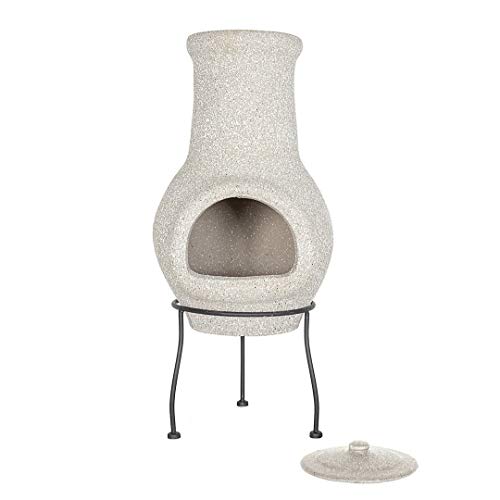 Regular cleaning is vital to prolong the life of a chiminea made of clay. This helps to reduce the risk of structural damage caused by accumulated soot or ash. Ash that is not burned can pose an increase in fire risk. You should also apply a protective seal to the clay chiminea once or twice per year. This protects it from the elements and keeps moisture from seeping into the clay, which may cause it to become softer.